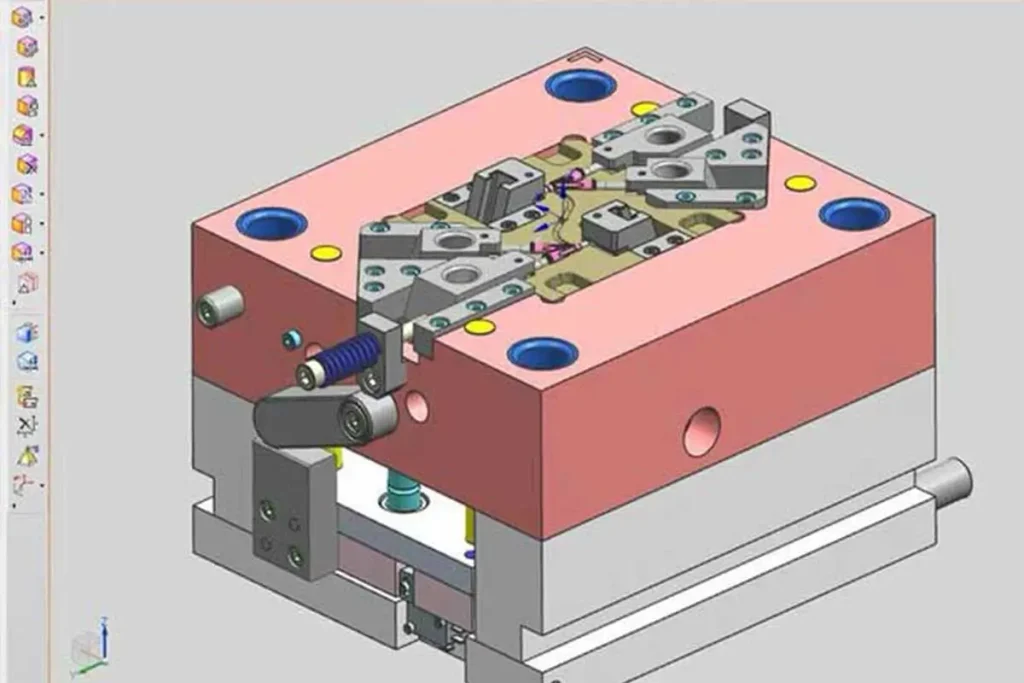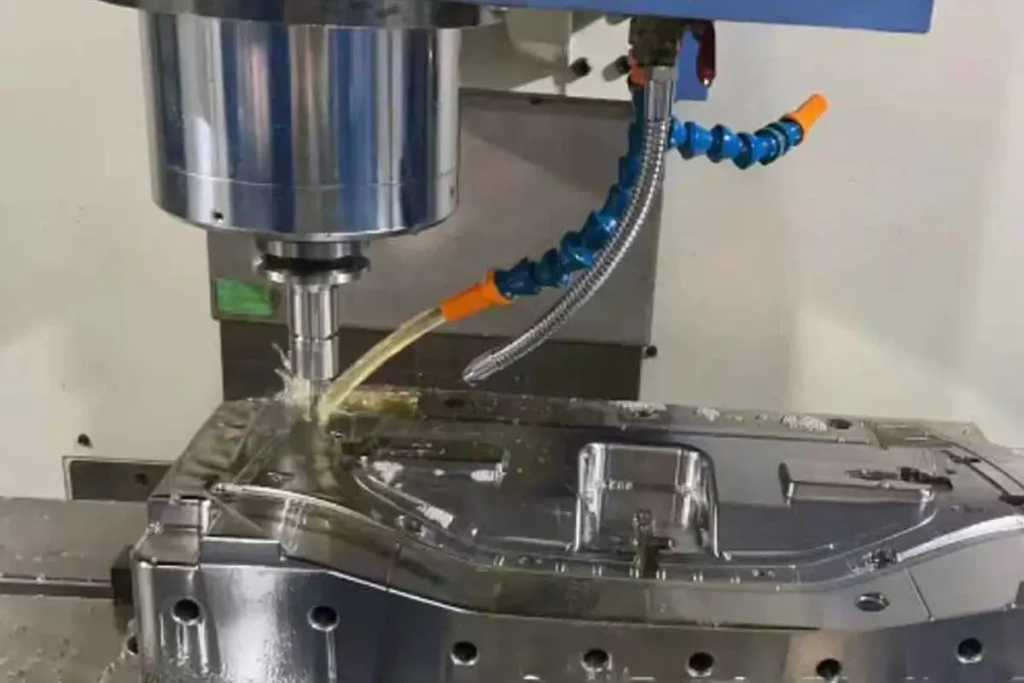
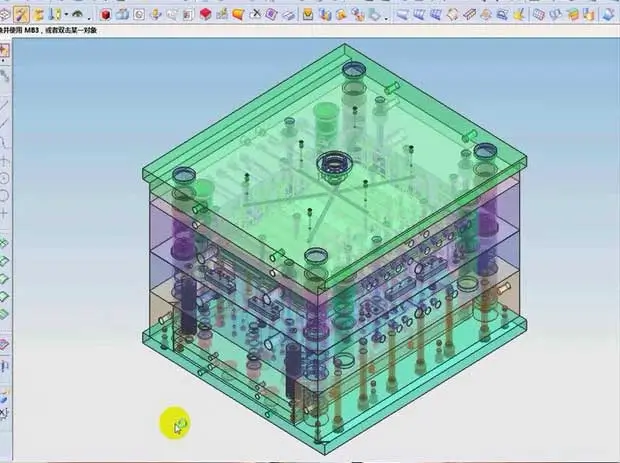
The mission statement for injection molded parts is usually initiated and submitted by the part design department. As the core basis document for mold development, its specification content is as follows:
- The officially approved two-dimensional/three-dimensional engineering drawings of the parts clearly indicate the key technical parameters such as the plastic raw material brand used, melt flow rate (MFR), molding shrinkage and transparency level;
- Part molding technical specifications or technical requirements documents, including appearance quality standards, dimensional tolerance levels, assembly accuracy requirements and special performance indicators (such as temperature resistance, weather resistance, flame retardancy, etc.);
- A clear mass production program (including annual production capacity, batch output and production cycle requirements);
- Physical samples of the parts (if any) are used to assist in structural verification and appearance comparison during the mold design process.
In the conventional process, the injection molding process engineer needs to output a mold design task statement based on the above-mentioned injection molding part task statement, clarifying core requirements such as mold structure form, number of cavities, gating system type, cooling/heating scheme, ejection method and mold material selection; the mold design engineer uses the injection molding part task statement and the mold design task statement as the dual basis to carry out the mold structure design work.